I worked on cruise ships for a couple of years and one thing that was always available in the crew mess was rice. My Filipino co-workers always said “Rice is Life” or “No rice no power” and I always found it funny, not knowing the full extent of those sayings.
When we first arrived, I noticed two things: Filipinos love rice and something sweet. In fact, I have had savory dishes with a sweet taste to it and even now I am sometimes pleasantly surprised when getting an unexpected sweetness in something I could never imagine being sweet. (like a Christmas Gammon/ham)
If you are looking to try some of the local food, here are 11 of my favourite Filipino Food so far.
Table of Contents
Savory and Hearty Mains
Adobo
Adobo is often called the unofficial national dish of the Philippines. Adobo is a hearty stew mostly made with chicken or pork, simmered in a tangy and savory sauce, made of soy sauce, vinegar, garlic and peppercorns. This dish is comforting and full of flavour and pairs perfectly with steamed white rice. My favourite one is the Chicken.
Lechon
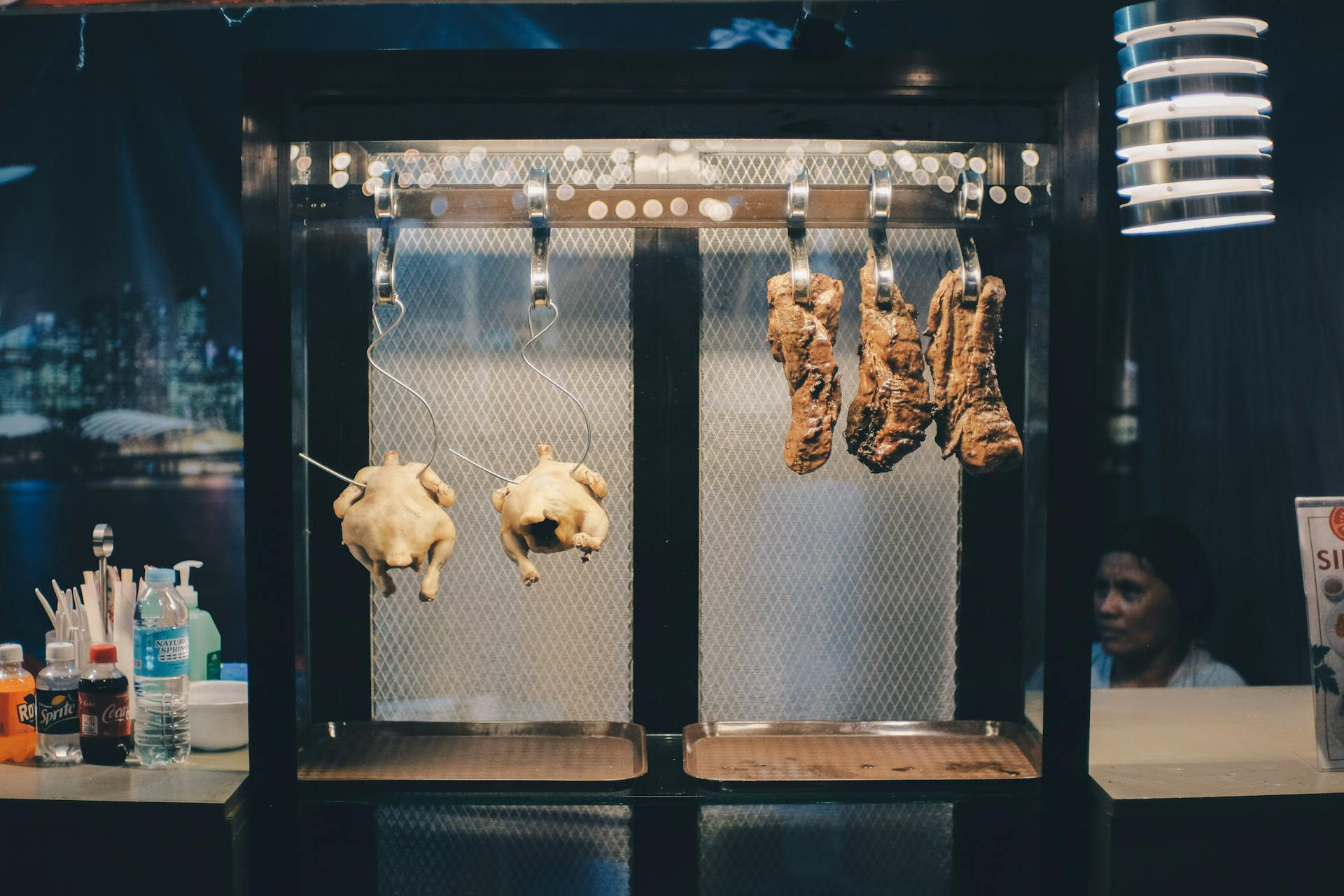
Filipinos love to celebrate and their go-to dish is Lechon. This whole roasted pig is cooked over fire until the skin is crispy but the meat is still tender and juicy. Even though you can find it everywhere in the country, Cebu is quite famous for their Lechon. So if you are ever in this province, do treat yourself to some.
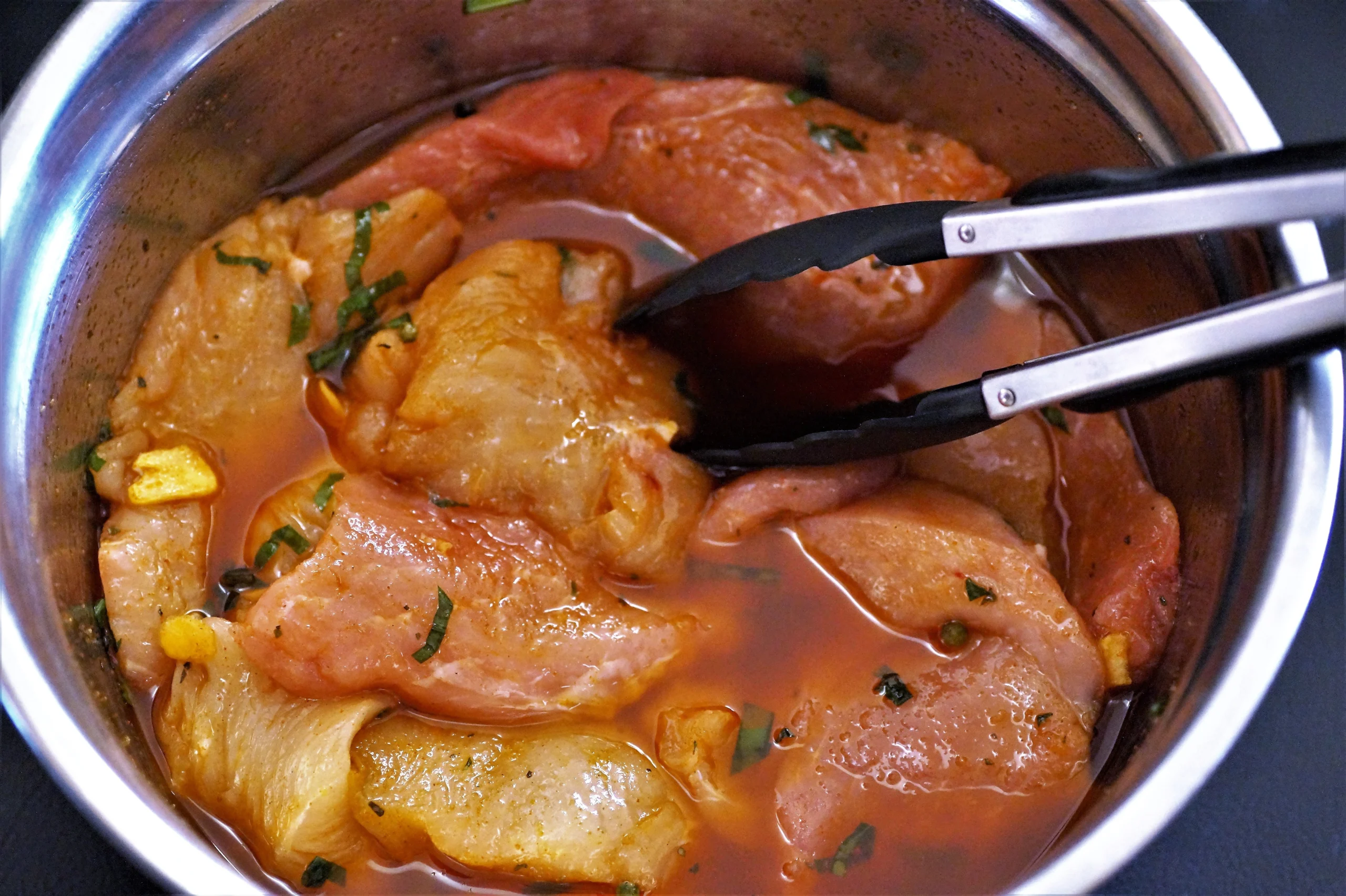
Liempo
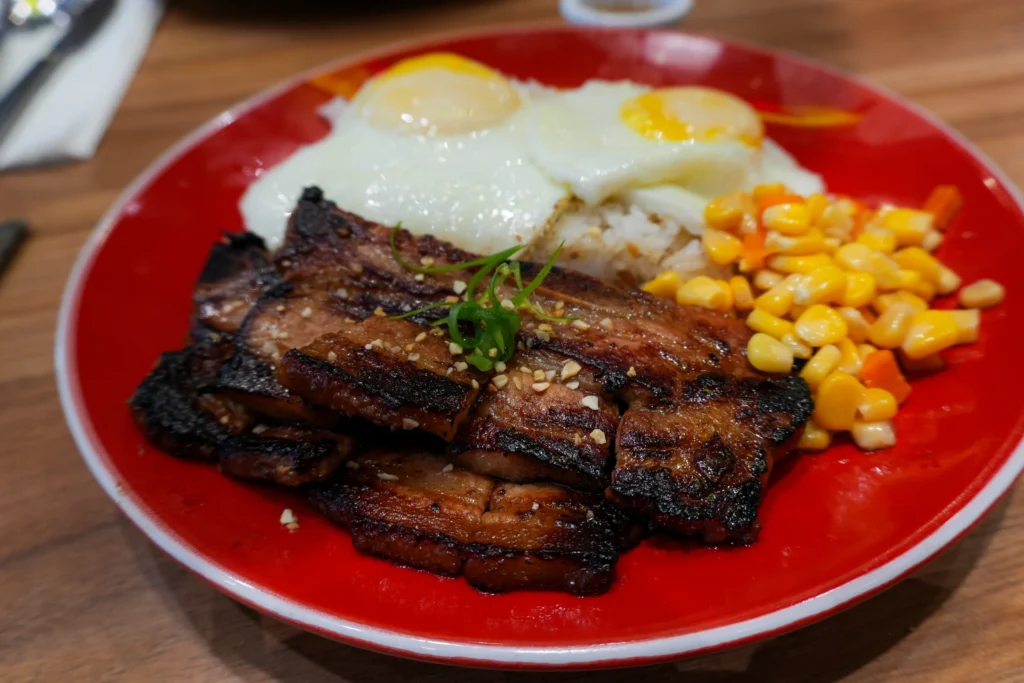
Another popular pork dish in the Philippines is Liempo, it is pork belly, marinated in spices, soy sauce and calamansi (a small citrus fruit) and then grilled. It goes well with Java Rice and mixed veggies. A lunch I can eat every other day.
Kaldereta
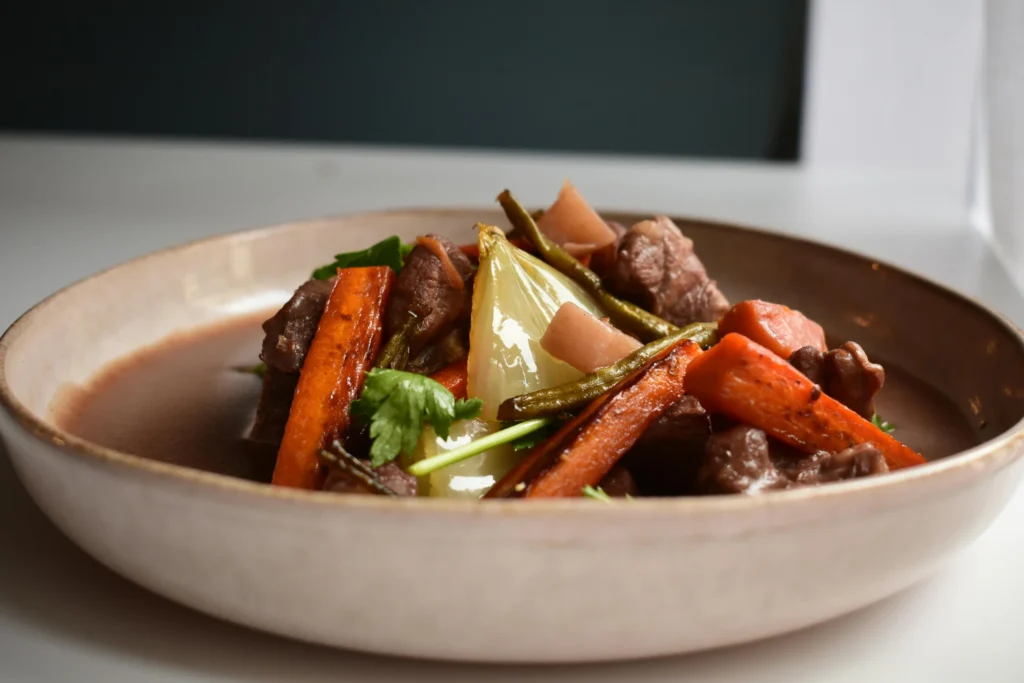
When I first googled what Kaldereta was, I got so excited to try this because I love a good stew. This is a hearty meat stew, I have only had the beef one but have seen different variations on some menus. This is simmered in tomato sauce with liver spread, potatoes, carrots and sometimes bell peppers. It is really flavourful and comfort food in a bowl and goes well with white steamed rice.
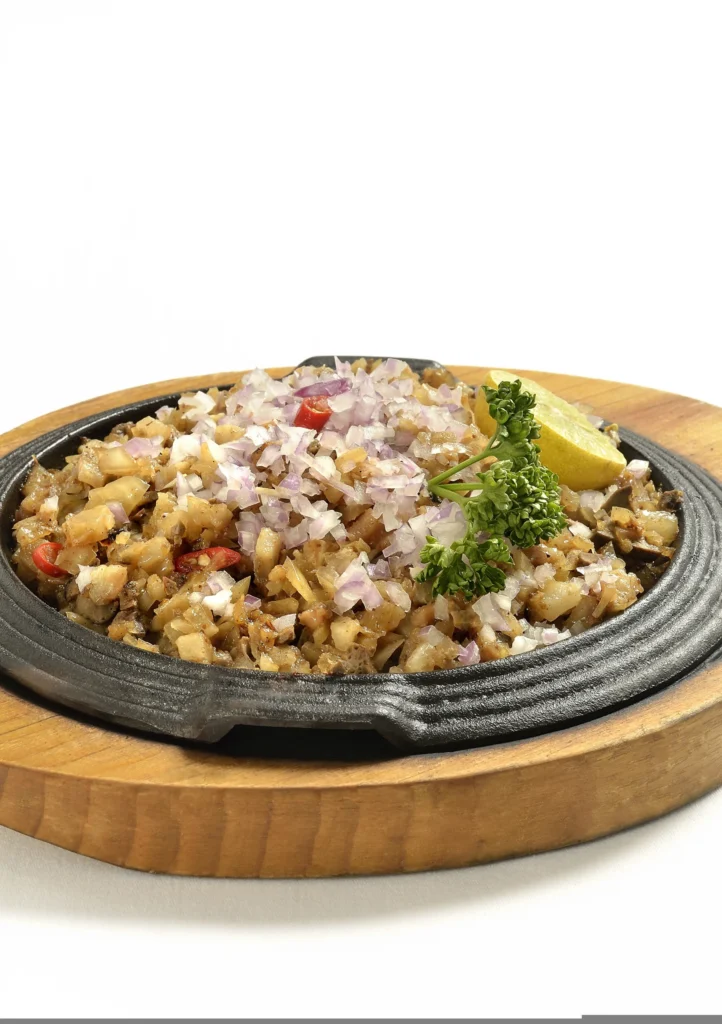
Sisig
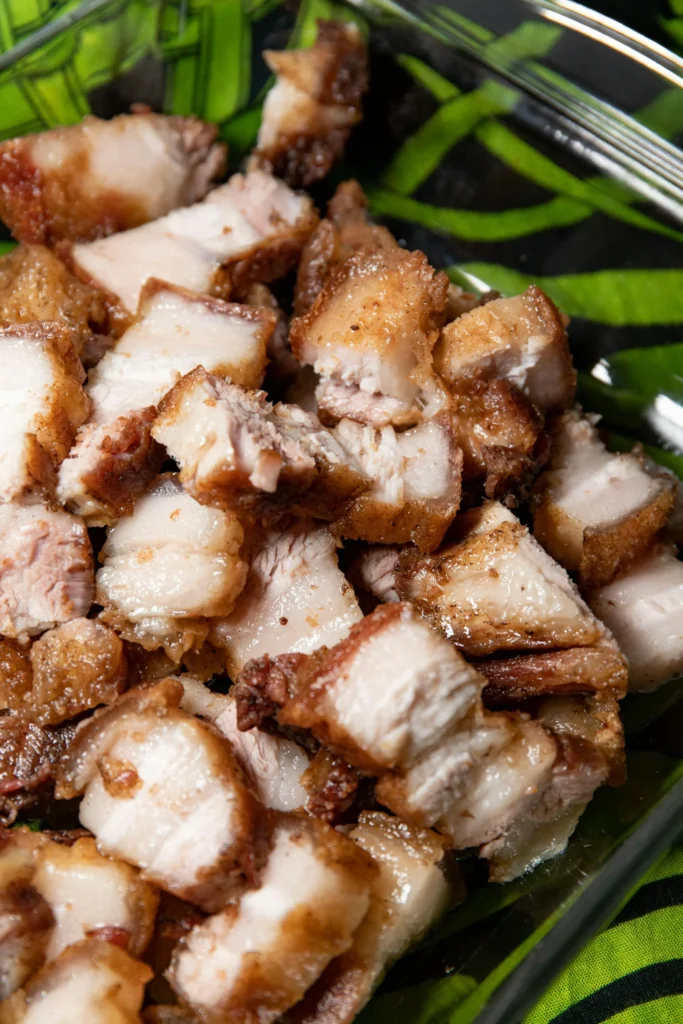
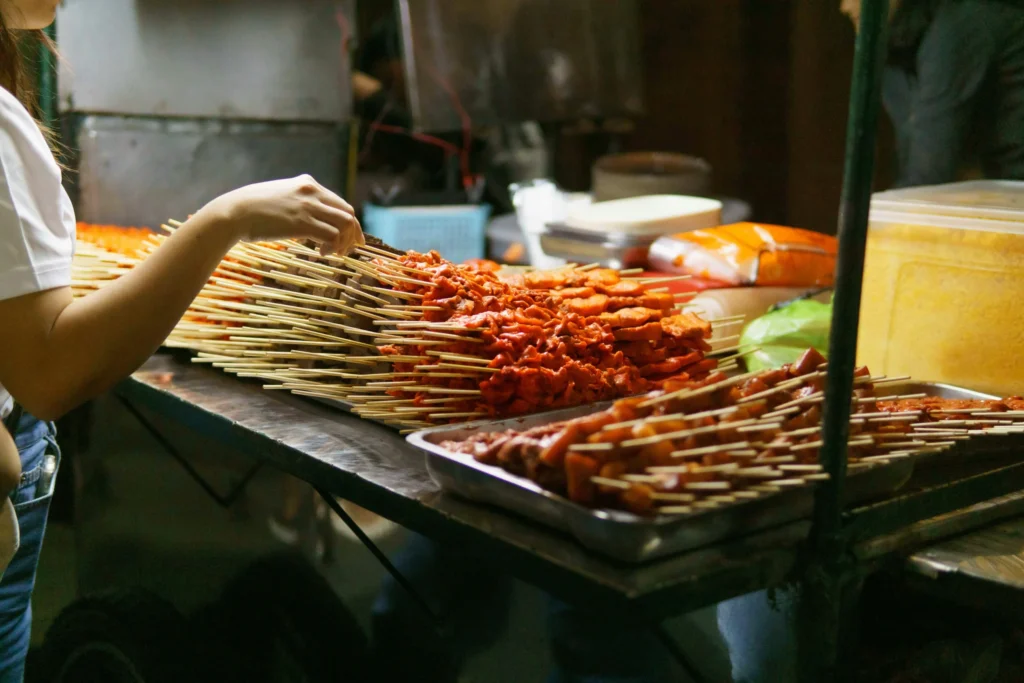
When I first saw what this dish is made from, I was skeptical to try it. But I am happy I did. Originated from Pampanga, Sisig is a sizzling and spicy dish made from chopped pig’s head, liver, onions, chillies and calamansi. In writing it does not sound that appetizing but if you taste it, it is tasty. It normally comes served on a hot plate and is the perfect mix of savory, sour and spicy. It is a pleasant surprise.
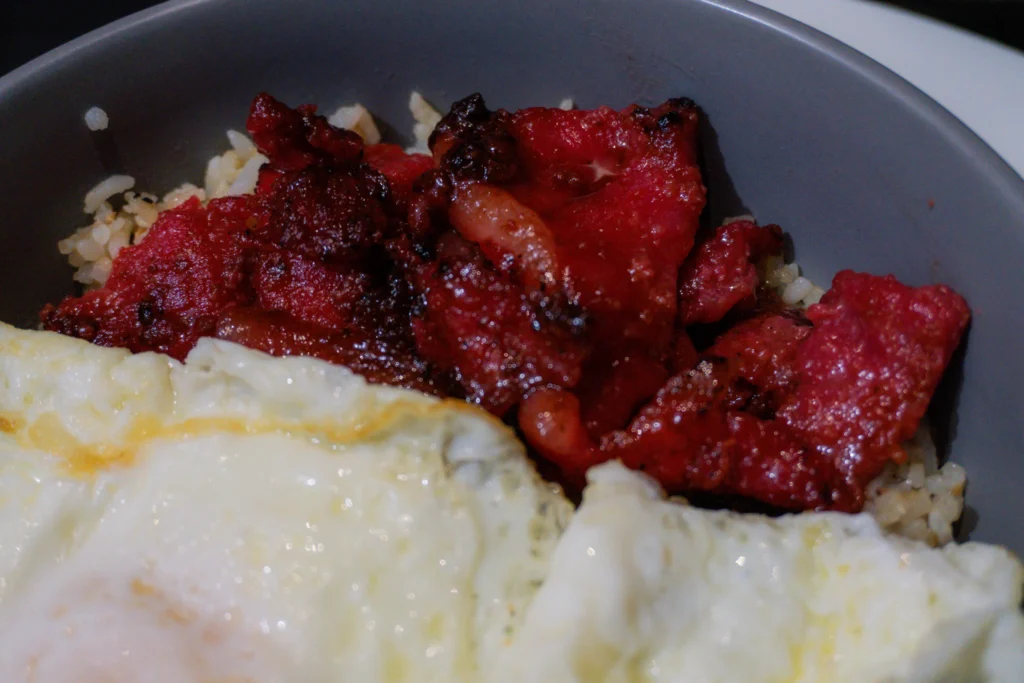
Pork Tocino
This is one of those savory, sweet dishes I was surprised with and this became my favourite local breakfast in the Philippines. Pork Tocino is thinly sliced pork cured in a sweet and savoury sauce, then fried until caramelized. It is typically served with garlic fried rice and a soft fried egg. Giving it a really good balance between sweet and savory.
Noodles, Rice and fried favourites
Lumpia
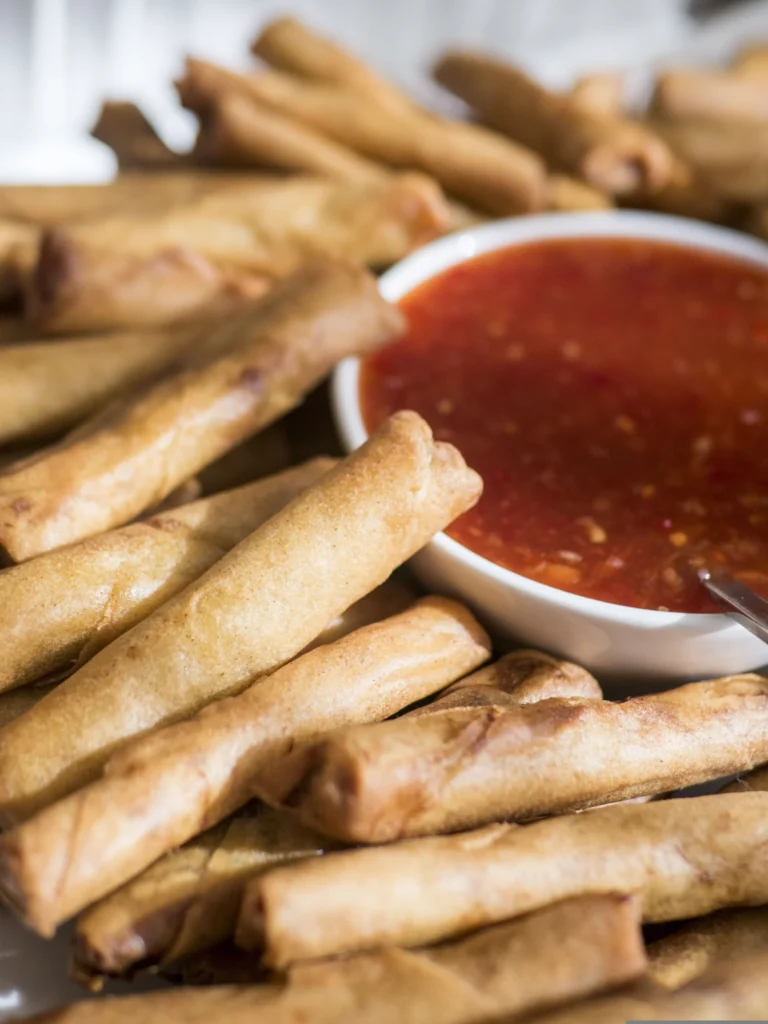
I love a good spring roll and this Filipino version called Lumpia is amazing. Lumpia is usually filled with minced meat and vegetables; they are fried until golden and crispy and served with a sweet and sour or chilli dipping sauce. I can easily eat a bucket of those.
Pancit Canton
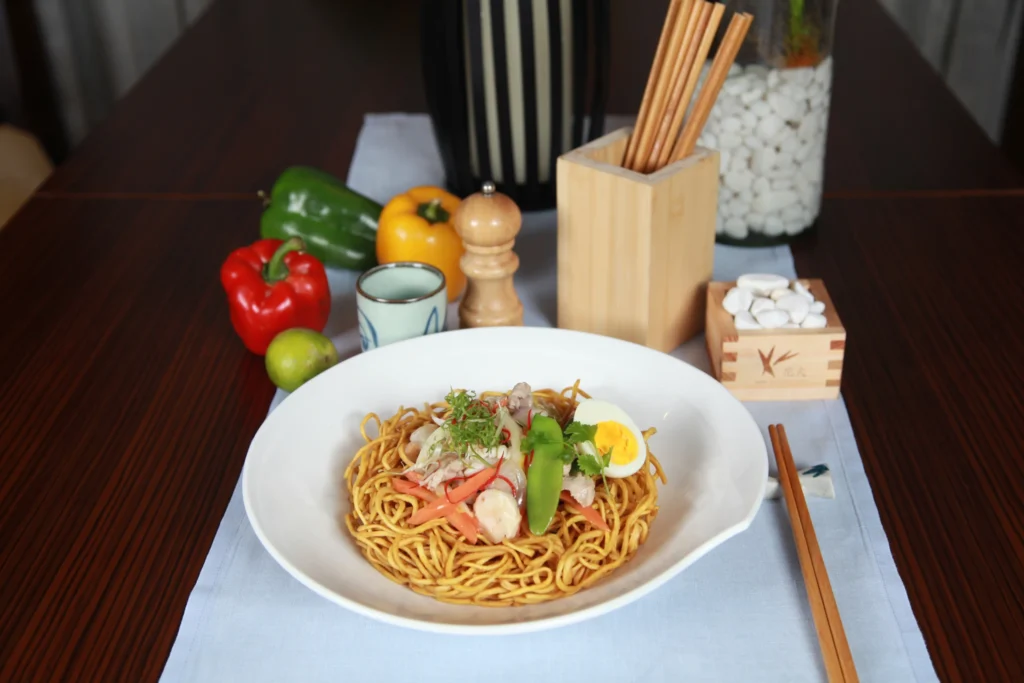
Pancit is a general term for noodles dishes in the Philippines, my favourite is Pancit Canton. This dish is made with either pork, beef, Shrimp or a combination off all three meats, together with fresh vegetables like, carrots. Cabbage and beans and Stir-fried with soy sauce. This is one of the most popular stir-fried noodles in the Philippines and can be found in many restaurants and even fast food restaurants like Chowking.
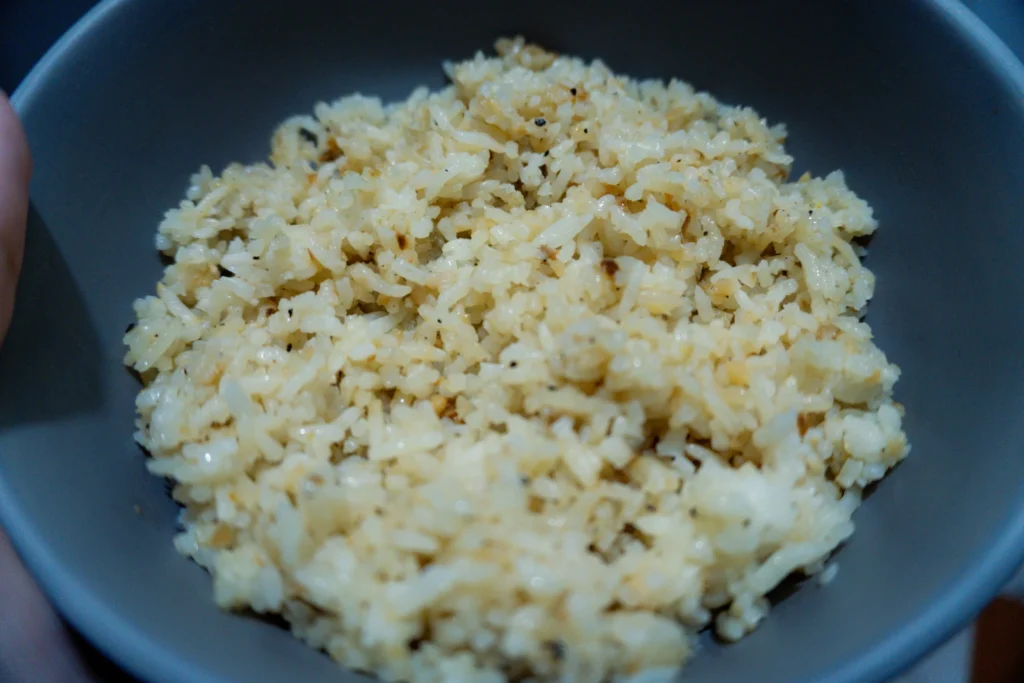
Fried Rice
Rice is the centre of any Filipino meal, whether breakfast, lunch or dinner, rice will be served. And fried rice takes it to the next level. The most popular one is Sinangag made with garlic and is typically served with many breakfast dishes. Setting the right tone for the day.
Filipino Spaghetti
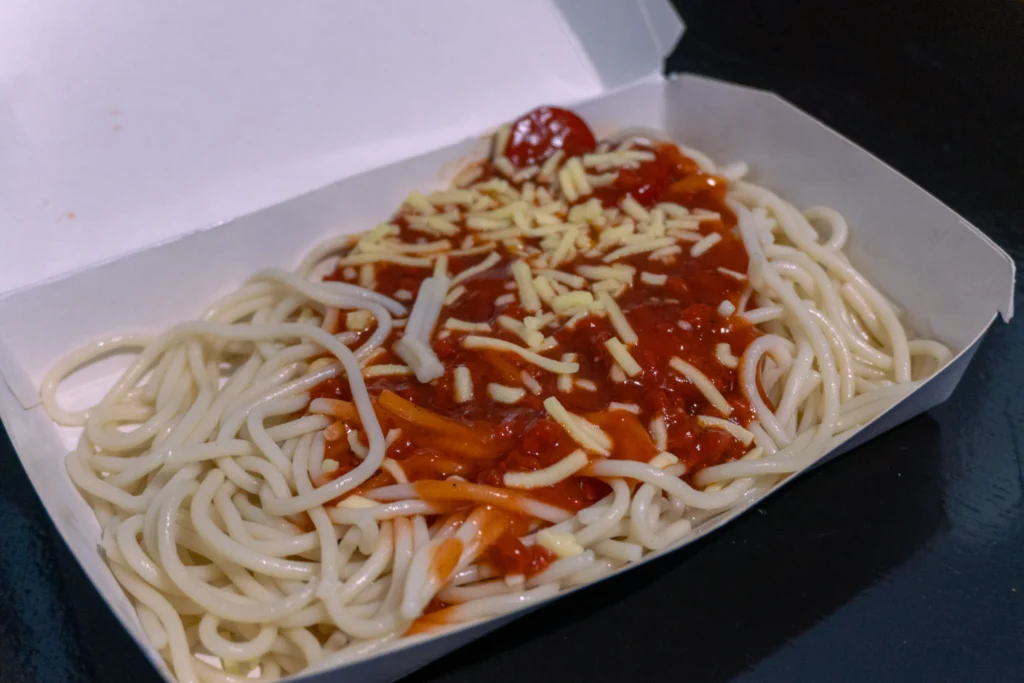
When I think KFC or Mcdonald’s, Spaghetti is not the thing that comes to mind, until we moved to the Philippines. This became one of my favorites rather quickly, even though it took me two years to try it for the first time. It is nothing like it’s Italian grandfather, it has a distinctive sweet and savory taste, made with hotdogs and ground/minced meat and finished off with cheese. This is also a good alternative for a toddler and my girl loves it.
A sweet ending
Crema de Mangga (Mango Float)
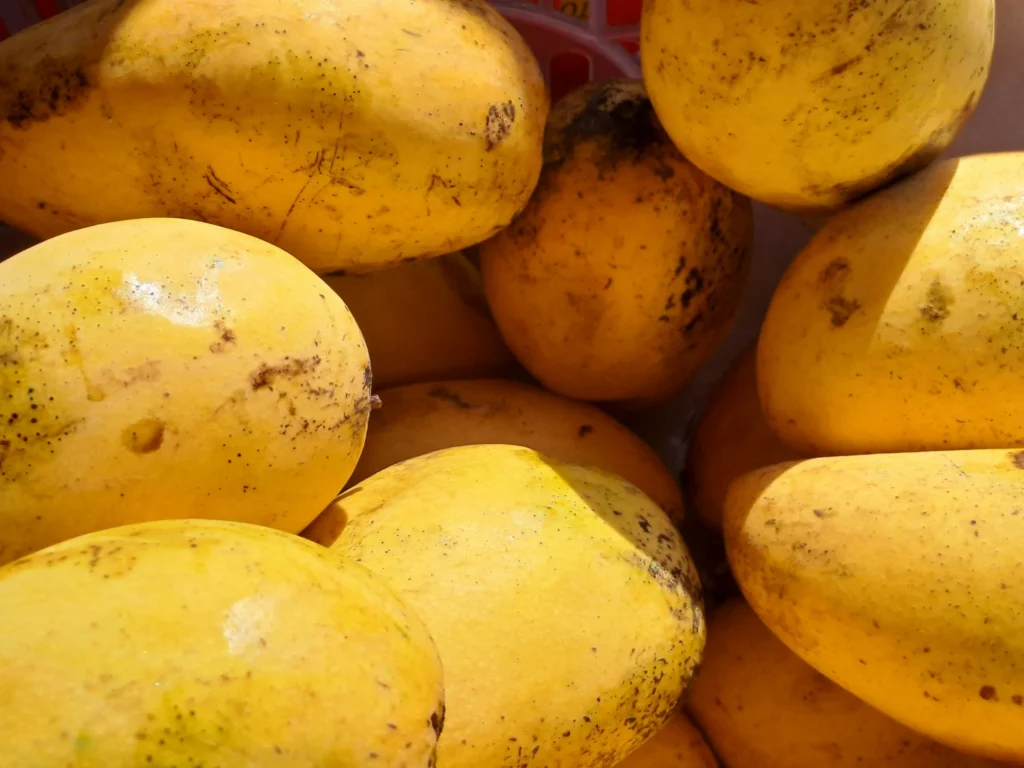
This is one of the dishes our neighbours brought us. Not knowing what it was, we took small tastes being cautious but when that creamy sweetness hit my mouth, I could not stop eating. Commonly known as Mango float, this no-bake dessert is made with whipped cream, crushed graham crackers and Philippine mangoes. Sweet, creamy and delicious on those hot days.
Honorable mention: Balut
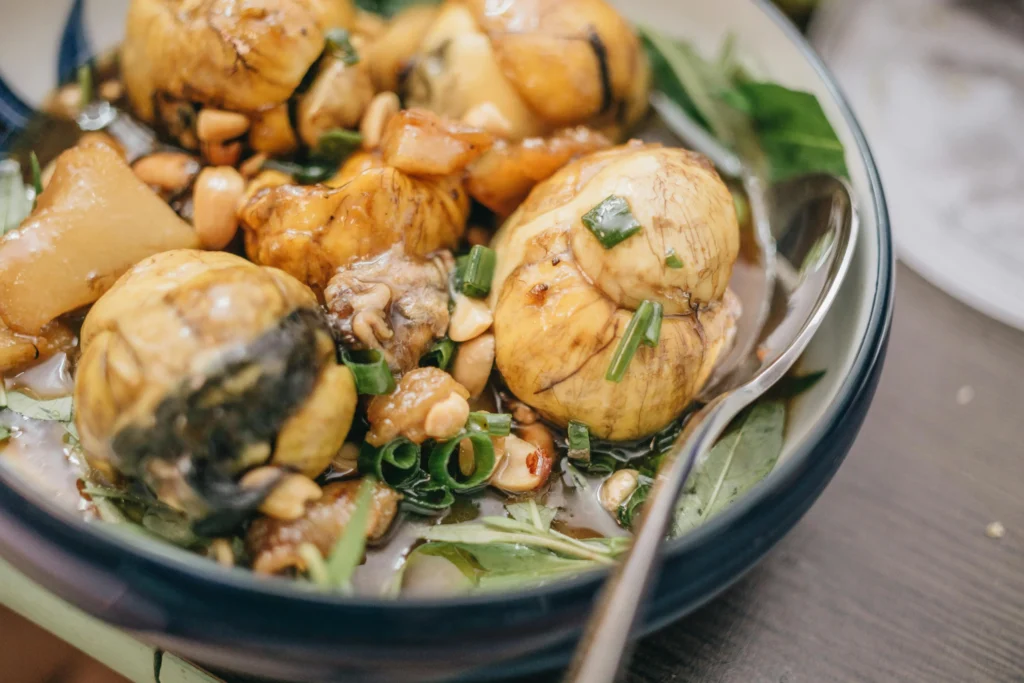
This is a dish I have not personally eaten and I don’t think I ever will. But for the adventurous foodie, balut is a must-try. It’s a fertilized duck egg, boiled and eaten with a pinch of salt. While it might sound intimidating, many swear by its rich and savoury taste. So if you are brave enough to try this popular Filipino street food let me know below.
Like other challenges when moving to a foreign country, trying the local food for the first time can be intimidating, especially if you do not know what it is. But Filipino cuisine is more than food, it’s a story of cultural influences and family traditions. Each of these dishes offers a unique taste of the Philippines. Promising a delicious and unforgettable journey for your taste buds.
If you are wondering what Life in the Philippines are like for a foreigner do read this post here for more photos and videos follow along on Instagram


Leave a Reply