
When I think of the Philippines, I imagine sandy beaches, blue oceans, and cocktails. But in reality, it’s cramped streets, motorbikes, and various rice filled dishes.
A question almost everyone we know or meet asks us is, “How is it living in the Philippines?” And the answer to that question changes every time.
Table of Contents
Our Unexpected Journey to the Philippines
Our journey started in 2023 when my husband received an opportunity too good to pass up. So he packed his bags, hopped on a plane, and flew off into the sunset. Naturally, life and love brought me to the vibrant and sunny (don’t forget the humidity!) islands of the Philippines a couple of weeks later.
Like I mentioned, everyone always asks what it’s like living in the Philippines. The short answer is, “amazing.” The slightly more correct answer is, “you get used to it.” But the truth is this:
For anyone moving to a foreign country with different cultures and languages, it is going to be challenging. Moving from a Western country to a Southeast Asian country, in particular, is going to be difficult. You have to let go of the comforts you are used to and be open to embracing new ones, new cultures, new environments, and a new way of living. To be happy, you need to accept change and challenges. You have to remember you are in a different country; they have different beliefs and ways of doing things. You are the outsider, and the country and people are not going to change for you and your beliefs.
The Reality vs. The Expectation
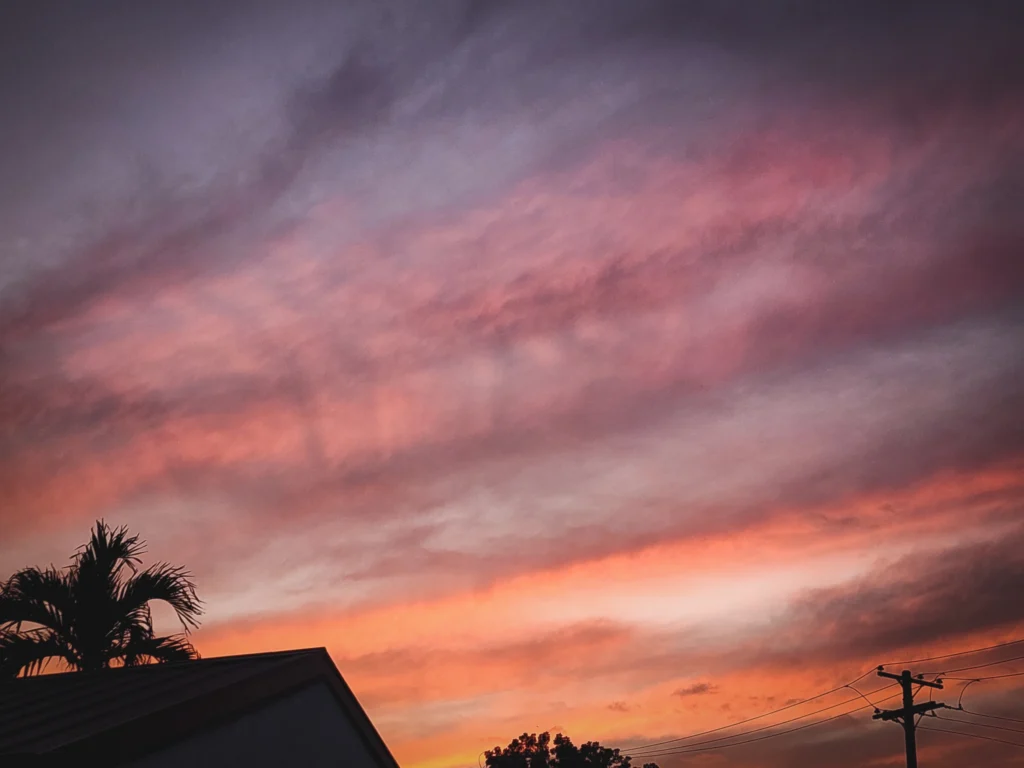
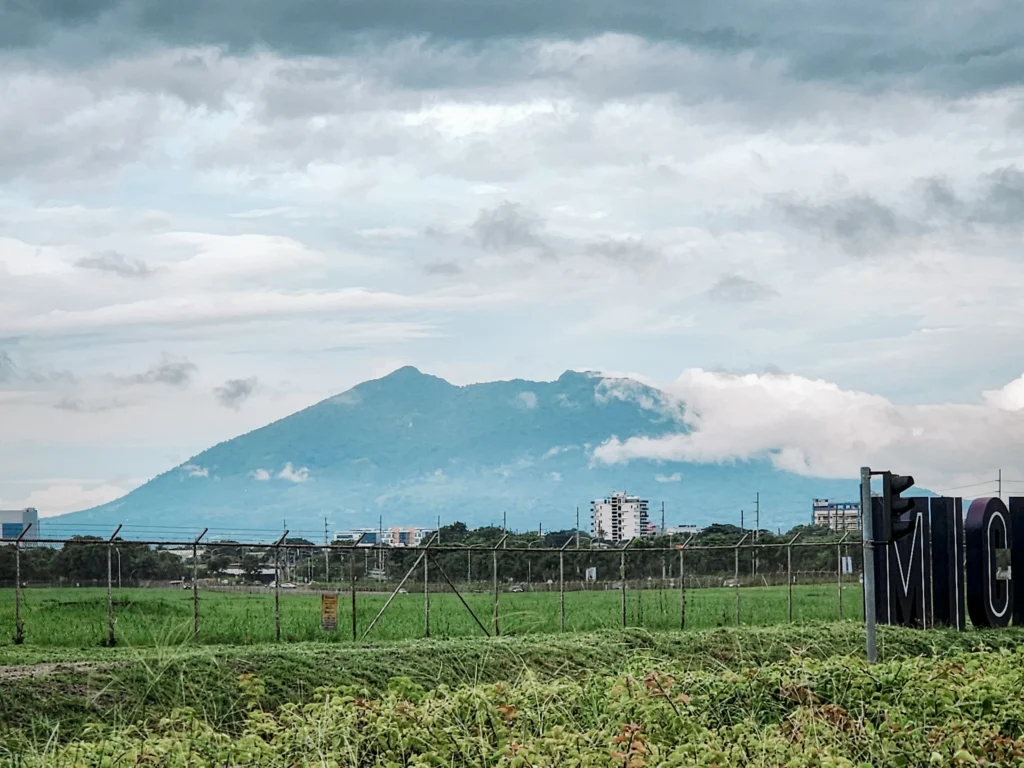
When I first landed in the Philippines, I expected white sandy beaches and colourful sunsets like in the magazines or travel bloggers’ YouTube videos. And while that is true for some places (think tourist attractions and resorts) reality is far from that. We do not live by the ocean, and if I think about it, I’m actually a little relieved. Hurricane or typhoon season (depending on what part of the world you are from) is quite scary.
The Philippines is a country with a rich culture and deep roots. The people are, in general, friendly and welcoming, with random strangers giving you a smile and a friendly “good morning,” or neighbours bringing over a Christmas gammon and cake on New Year’s eve. You will never be left wanting here. As a foreigner, people are always curious about you. Most think we are American and are surprised to hear we are actually from South Africa.
Daily Life Unveiled: Food, Transport and Everything in Between
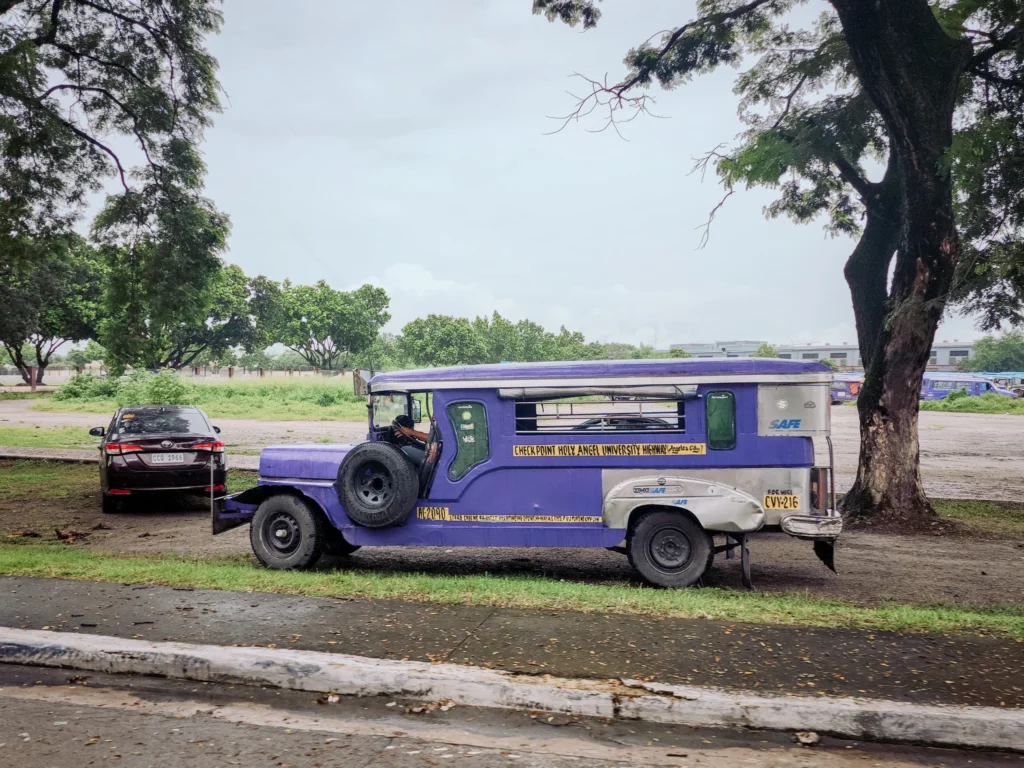
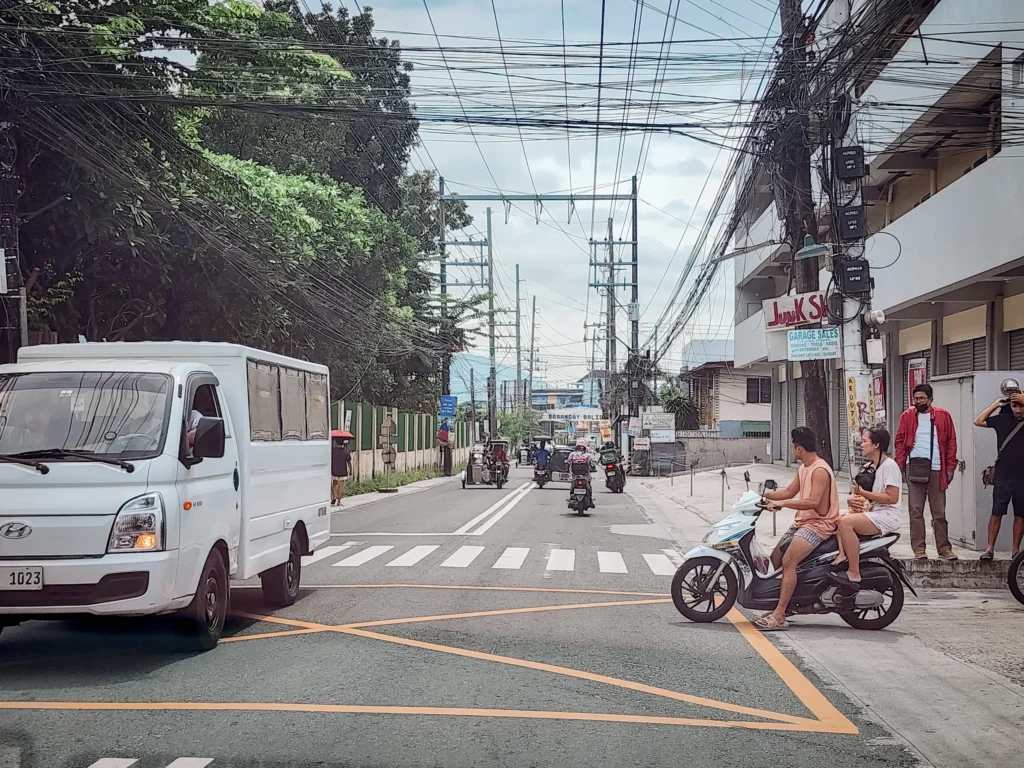
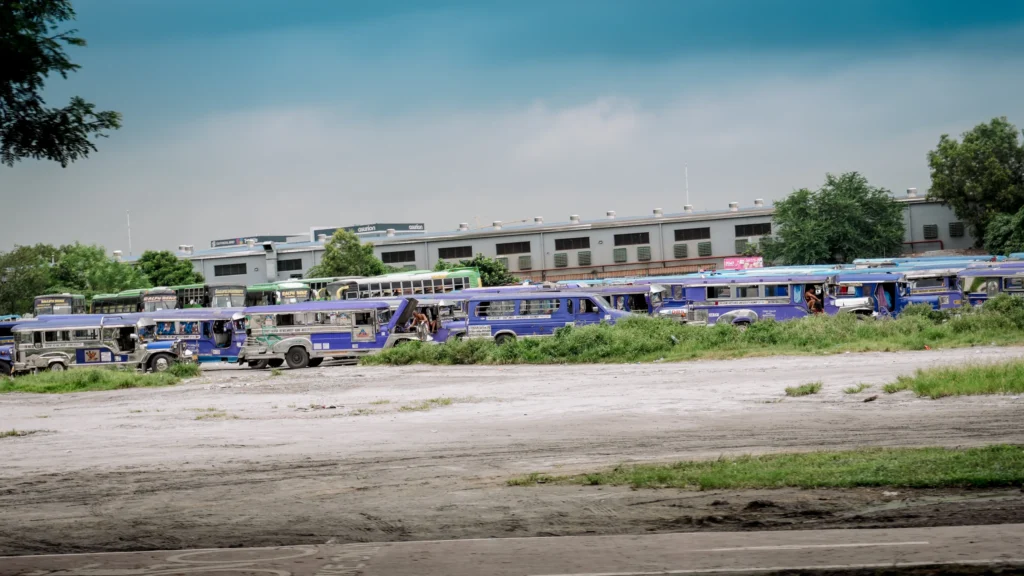
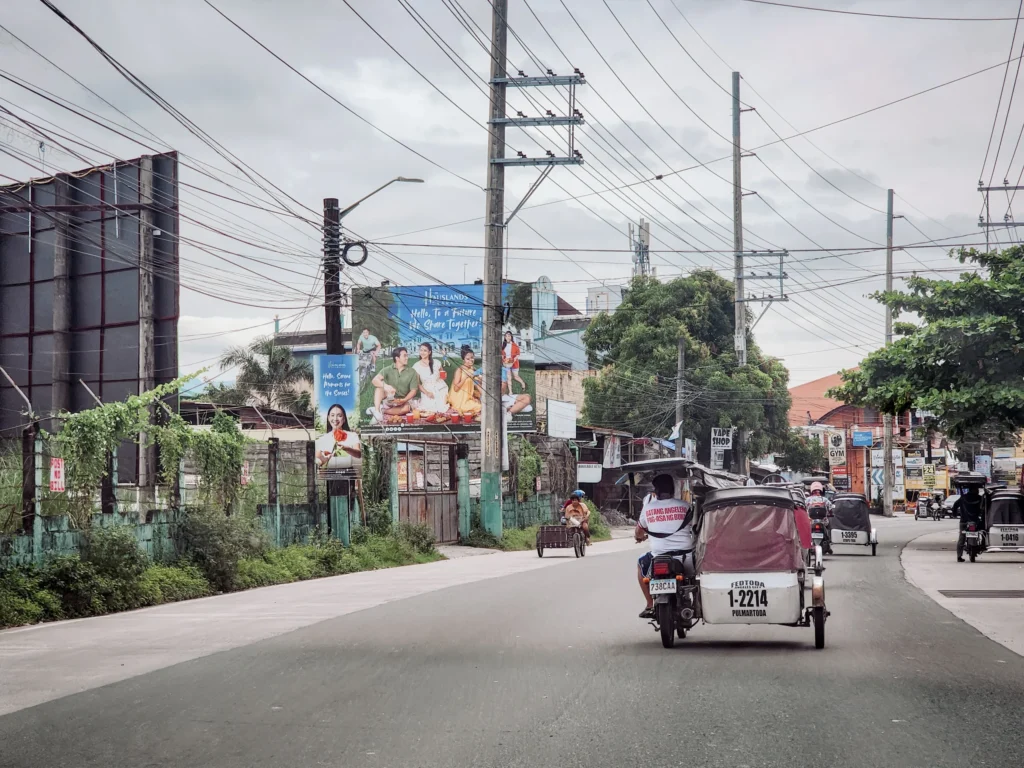
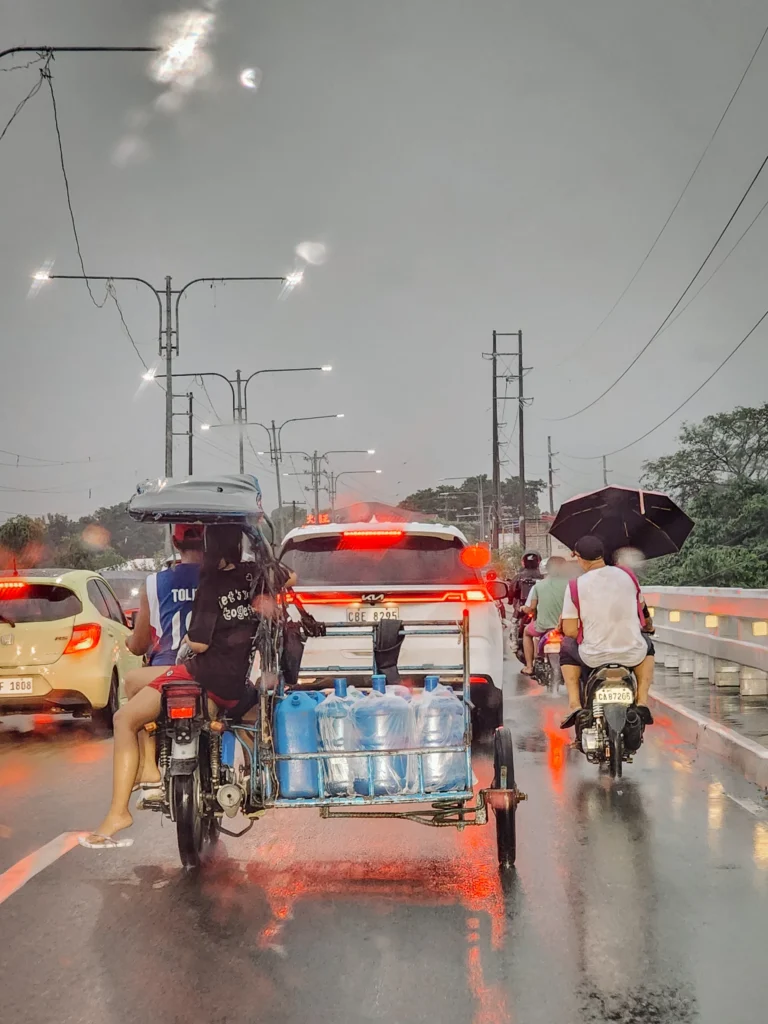
An outing here, even just to the mall, can be an adventure on its own. We mainly used Grab in the beginning to travel around, but public transport is a fascinating experience, from purple Jeepneys to three-wheeled tricycles, even seeing a family of five on a motorbike with the family dog. It’s a sight to be seen. Scooters and motorbikes are the most common and affordable transport method, so be prepared to see a lot of them.
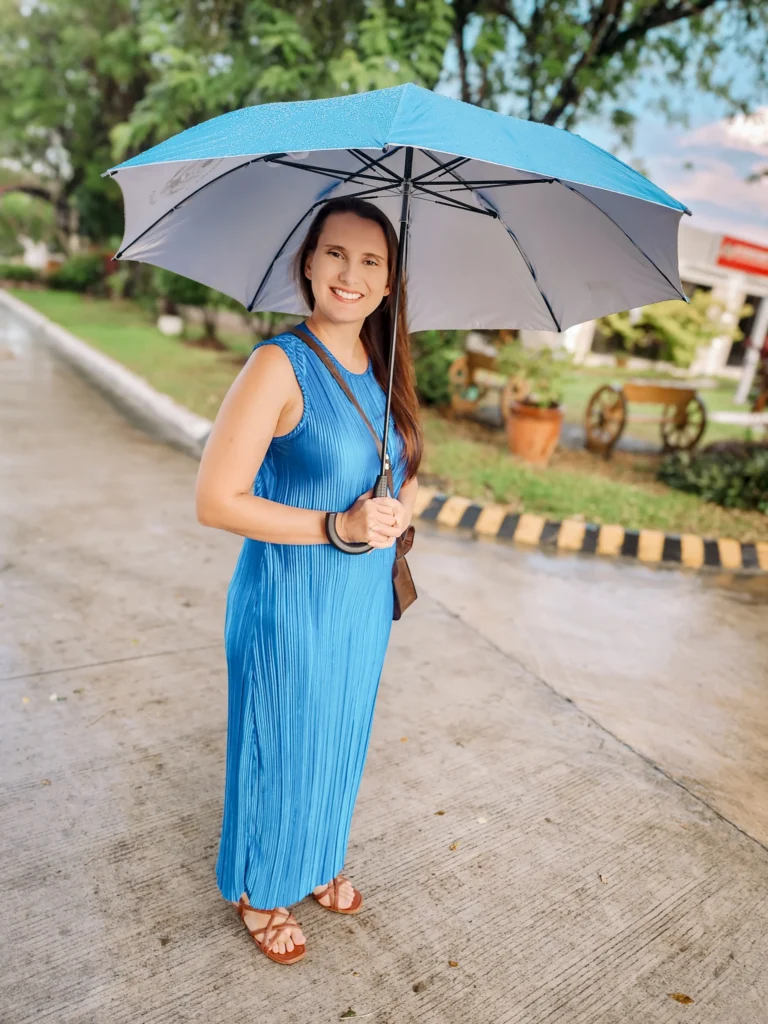
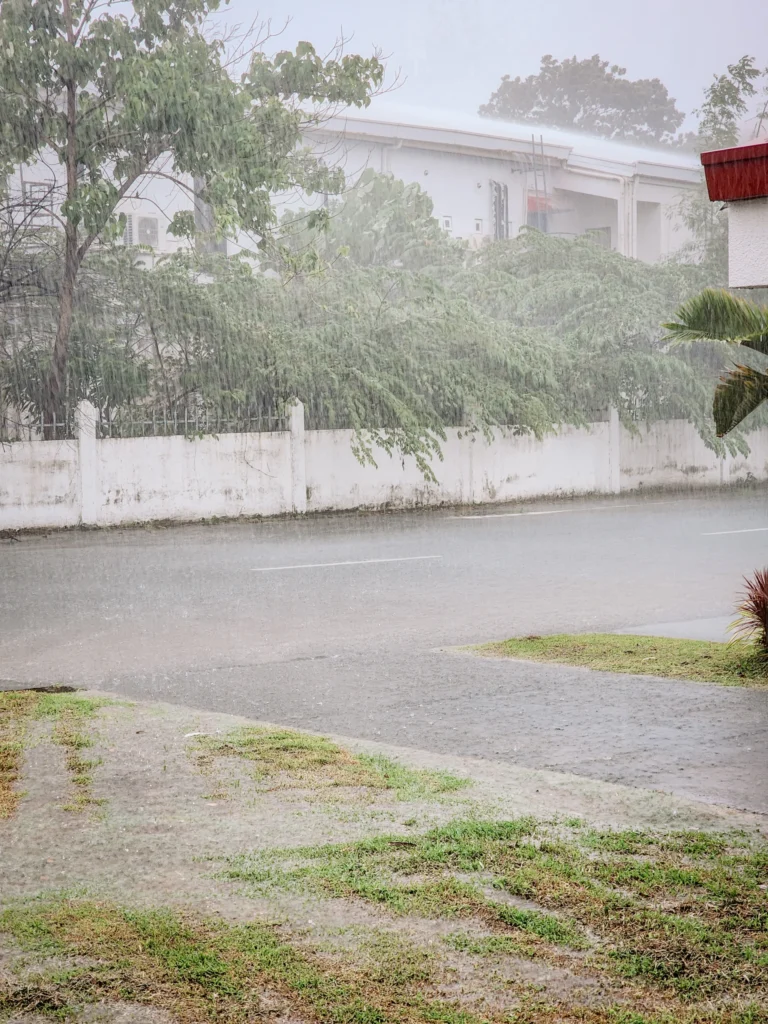
I grew up in Limpopo Province in South Africa and thought I knew what hot weather was, but with the Philippines being a tropical country, it is a whole new level of hot. The sun is out most days, but humidity is guaranteed every day of the week. I think that is the part I was not prepared for. During the rainy season there will be tropical storms and typhoons, which results in a lot of flooding. I suggest investing in an umbrella early on, as a sudden downpour can leave you soaking wet.
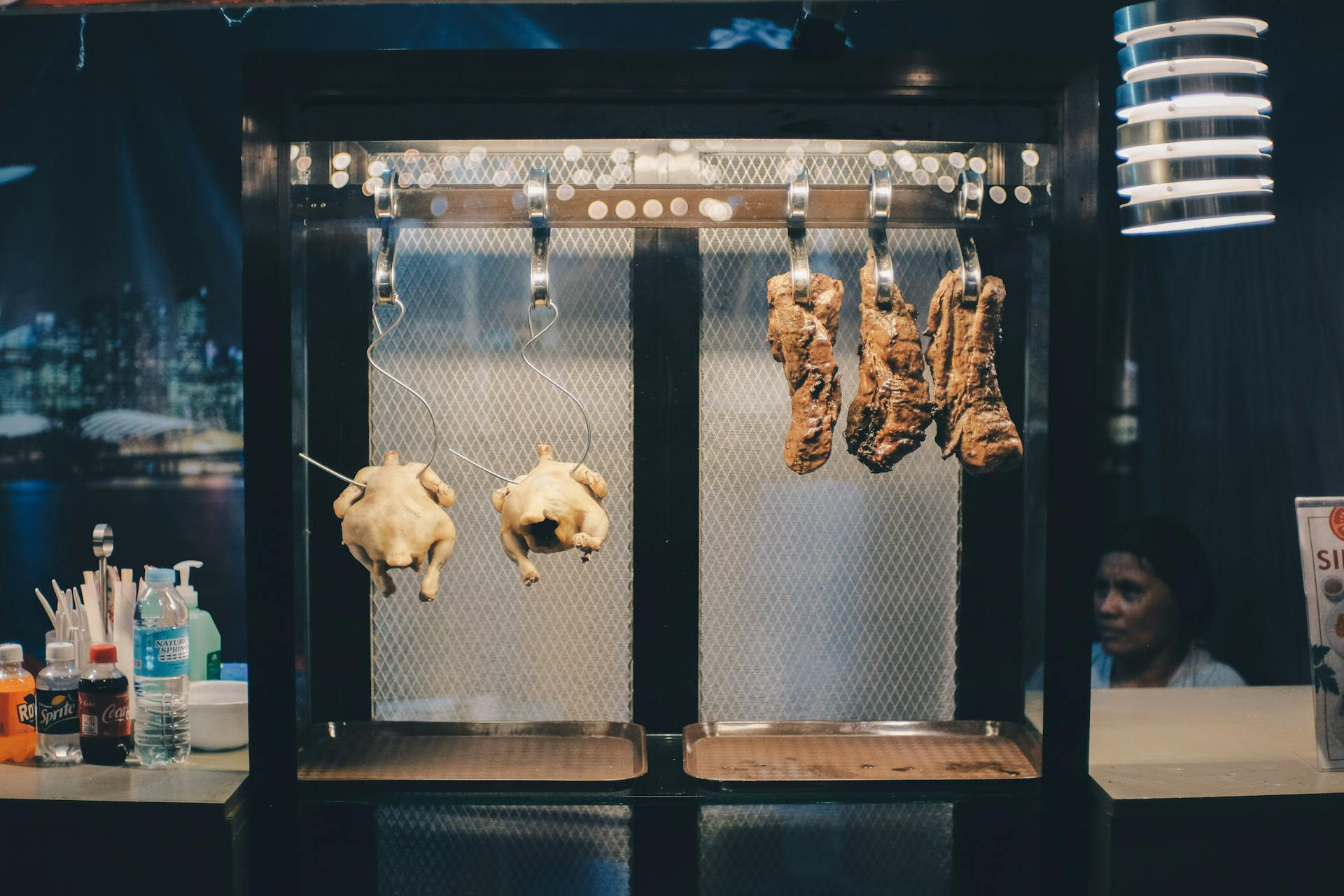
The Philippines is a unique blend of cultures: Asian roots with a strong Spanish influence. Opinions and traditions here are deeply rooted in faith and family, with a wide spread of celebrations and festivals all year round. Meals will always include some form of rice; even the fast-food restaurants like McDonald’s or KFC will offer a side of rice rather than fries or chips. There are also many other delicious local foods, but that is a blog post on its own.
English is widely spoken, but communication can still be challenging sometimes. So learning a few basic Tagalog (or the local dialect) phrases can help a lot, and it will always get you a smile and a friendly reply from any local you meet.
Cost of Living and Common Challenges
The cost of living can be low, depending on where you shop and what you buy. Local foods are cheaper than Western foods. But as I mentioned earlier you will have to learn to adapt to what is available, and eventually you will find your perfect balance between the two. Be careful of street food and if you second-guess it, don’t eat it. And never ever drink tap water. Bottled water is available everywhere and is relatively cheap.
Living in a foreign country does not come without challenges. Checkout lines are slow so be patient in the supermarket queue, a quick shopping trip is never quick. Traffic is pure chaos and although the internet is much cheaper than in South Africa, it doesn’t always work. Public bathrooms don’t offer toilet paper, and customer service is slow. But the positives do outweigh the negatives and once you’ve adapted to a new way of living (and learned a newfound patience) it is a beautiful country to live in.
Embracing the Culture and Finding Home
The Philippines is not just about beaches and sunsets. It’s learning to love the culture and their values, accepting the kindness and community. It’s about finding joy in the little things and patience in the rest. The Philippines has taught me to slow down, enjoy the moment, and appreciate a different pace of life.
The Philippines is where we call home for now.


Leave a Reply